 English
 Welcome to the boutique and charming Ljubljana, the proud European Green Capital 2016
In the past decade, Ljubljana has turned into a lively and exciting city for both visitors and residents.
FACE history
List of host countires and winners.
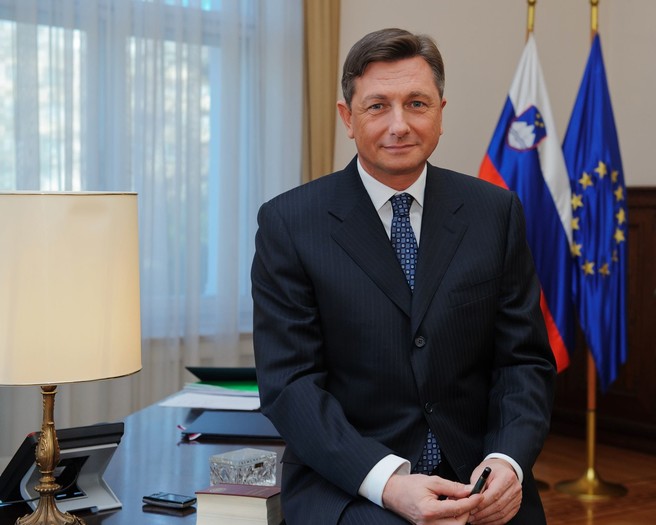
Borut Pahor
The honorary patronage of FACE 2016 is His Excellency Mr Borut Pahor President of the Republic of Slovenia

Zoran Janković, FACE 2016
Zoran Janković
Welcome to Ljubljana!
I am delighted to see our beautiful Ljubljana hosting the international first aid convention FACE 2016. Ljubljana is an excellent choice for organising such a meet as we respect, appreciate and daily live the values advocated by the Red Cross – chief among them being humanity, solidarity and mutual aid.
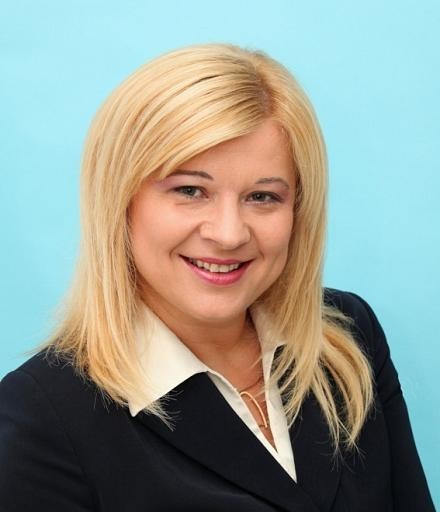
Renata Brunskole
The Slovenian Red Cross is proud and pleased to have been given the opportunity to allow the best European Red Cross teams to test their on site skills and abilities at simulations of various life-threatening situations
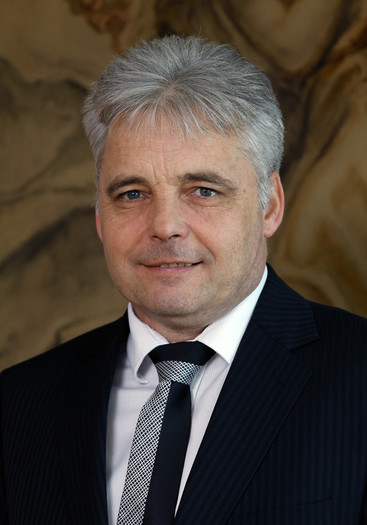
Darko But
Darko But
In case of disasters we can suddenly be faced with a large number of injured and/or sick people as well as conditions that prevent professional health services from quickly reaching the population in need. It is in such circumstances...
Mestna Občina Ljubljana

Slike partnerjev


Slike partnerjev 2







Slike partnerjev 3
Donators
Donators: ISOKON d.o.o., Slovenske konjice, comTEC d.o.o., Maribor, Menart d.o.o., Slovenske konjice, Tilia, Anthroon d.o.o., UniCreditBanka Slovenije d.d.
Zoran Janković
Welcome to Ljubljana!
I am delighted to see our beautiful Ljubljana hosting the international first aid convention FACE 2016. Ljubljana is an excellent choice for organising such a meet as we respect, appreciate and daily live the values advocated by the Red Cross – chief among them being humanity, solidarity and mutual aid.
All of these values are key in our everyday work and have contributed to us receiving the prestigious European Green Capital 2016 Award – the highest title for sustainable development of European cities. Apart from acknowledging our care for the environment, this award also stresses solidarity towards fellow humans and future generations, because it is our duty and responsibility to bequeath them with nature that is at least as well preserved as the one we enjoy today.
Dear guests!
I wish you all the best in your meeting and competition as well as cordially invite you to discover the sights of our delightful Ljubljana, in my eyes the most beautiful city in the world. Take a stroll through the old town centre, where we dedicated all the spaces to pedestrians and cyclists, and enjoy the liveliness of our streets and squares. Visit the Ljubljana Castle, wander along the Ljubljanica river banks and amble through the city's central park – Tivoli. And these are just the
starting points to discover our city. I am convinced that Ljubljana, our green, tidy, clean, safe, friendly and helpful city will continue to thrill you!
You are always welcome here and we will certainly receive you with open arms!
Zoran Janković
Mayor of the City of Ljubljana
Renata Brunskole
“The Slovenian Red Cross would like to extend its gratitude to Borut Pahor, the President of the Republic of Slovenia, for his honorary patronage of FACE 2016.”
The Slovenian Red Cross is proud and pleased to have been given the opportunity to allow the best European Red Cross teams to test their on site skills and abilities at simulations of various life-threatening situations, in the year that we celebrate 150 years of successfully facing various challenges. The event will be organised in the area of and cooperation with the FACE 2016 sponsor City Municipality of Ljubljana, this year’s European Green Capital, and in close cooperation with the Ministry of Defence of the Republic of Slovenia, the Administration of the Republic of Slovenia for Civil Protection and Disaster Relief and the Ministry of Health of the Republic of Slovenia.
The most predictable characteristic of every humanitarian crisis is its unpredictability. This is why the constantly present need to be well prepared for quick responses is one of the most important public mandates of the Slovenian Red Cross. The fact that the current winner of the European First Aid Convention comes from Slovenia, more exactly the Grosuplje association of the Slovenian Red Cross, proves that we are not only well but extremely well prepared.
See you soon in Ljubljana!
Darko But
Dear guests!
Slovenia’s exceptional geographical diversity in conjunction with climate change increases the chance of various natural and other disasters, where protection and saving of human lives take precedence over any other protection and relief activities. In case of disasters we can suddenly be faced with a large number of injured and/or sick people as well as conditions that prevent professional health services from quickly reaching the population in need. It is in such circumstances that the values of solidarity and voluntary service really come to the fore as does the importance of the protection and relief forces that are fundamental to the Slovenian system of protection from natural and other disasters and disaster relief.
The fundamental mission of first aid teams is to provide direct treatment by offering first aid to the injured and sick in severe mass, natural and other disasters. It is indeed the timely and correct provision of first aid that can save an injured or sick person’s life, improve their chance of getting well soon and prevent disabilites. These are weighty reasons that compel us to carry out planned, timely and continuous training as well as maintain our knowledge in order to prepare for disasters and provide quality first aid. Training first aid team members expands the network of individuals who are capable of providing effective first aid to residents of a town where they live, work or are located at the moment somebody requires first aid.
In compliance with regulations and in agreement with relevant regional Red Cross associations, first aid teams are organised in all locales – companies, institutions, schools and municipalities. The Administration of the Republic of Slovenia for Civil Protection and Disaster Relief in cooperation with the Slovenian Red Cross and other non-governmental organisations moreover manages first aid teams that are capable of being deployed in any part of the country in case of mass disasters. Members of first aid teams acquire and polish their skills at basic and advanced training courses, which are the most comprehensive forms of training for non-health personnel. These courses are carried out by the Slovenian Red Cross as a public mandate based on the Slovenian Red Cross Act.
Municipalities, the Administration of the Republic of Slovenia for Civil Protection and Disaster Relief and the Slovenian Red Cross systematically provide equipment and training to first aid teams. Annual regional contests and a national competition for Civil Protection and Red Cross teams are meant to test their ability to operate under various conditions, to renew and maintain their practical skills as well as to entice team members to strive towards the best possible provision of first aid. This in turn bolsters the activities in the field of first aid in municipalities and companies (setting up of first aid teams, providing necessary staff, member training and equipment etc).
The 13 regional competitions are on average participated in by 130 first aid teams annually (coming from the Civil Protection, Red Cross, fire-fighting and other organisations), with the first-placed team in the national competition being sent to the First Aid Convention in Europe (FACE), where the best teams have been meeting since 1987.
I am extremely pleased that this year’s FACE will be held in Ljubljana, Slovenia. This is a vote of confidence for the Republic of Slovenia and the Administration of the Republic of Slovenia for Civil Protection and Disaster Relief will actively participate in organising and carrying out the event.
Darko But, Director General
Administration of the Republic of Slovenia for Civil Protection and Disaster Relief
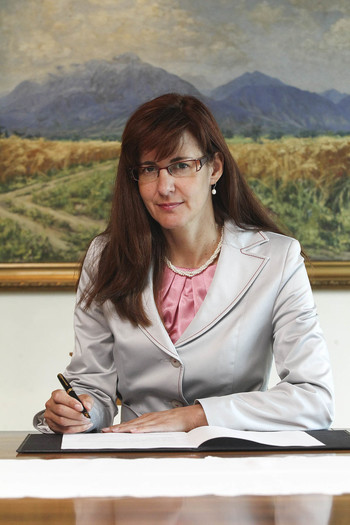
Andreja Katič
Dear participants and supporters of the international competition for finding the most skilled first aid team in the EU - FACE (First Aid Convention in Europe)I am pleased and proud that this year’s international competition to find the most capable first aid team in the EU is organised in the Republic of Slovenia, more accurately in Ljubljana, our capital. We are marking 150 years of Red Cross activities on the Slovenian territory, which by itself is a major jubilee. The Slovenian Red Cross serves as one of the pillars of the country’s Administration for Civil Protection and Disaster Relief, the fact that is most vividly shown during major natural and other disasters as well as distresses facing the inhabitants of our country.
Slovenia places a lot of stress on maintaining a high level of training for its first aid teams. Our teams in turn continue proving their high level of skills, with the best proof coming in the form of victory at last year’s international FACE competition by the first aid team from the Grosuplje Red Cross regional society.
The Ministry of Defence was extremely pleased to take part in carrying out the international competition to determine the capabilities of EU’s first aid teams. Organisational support for the event will also be provided by the Administration for Civil Protection and Disaster Relief and the Slovenian Armed Forces under the aegis of the Ministry of Defence.
I hope that you will have as pleasant a stay as possible in Slovenia and gain experiences that will prove beneficial in carrying out your humanitarian mission. Welcome in Slovenia!
Andreja Katič, Minister of Defence of the Republic of Slovenia
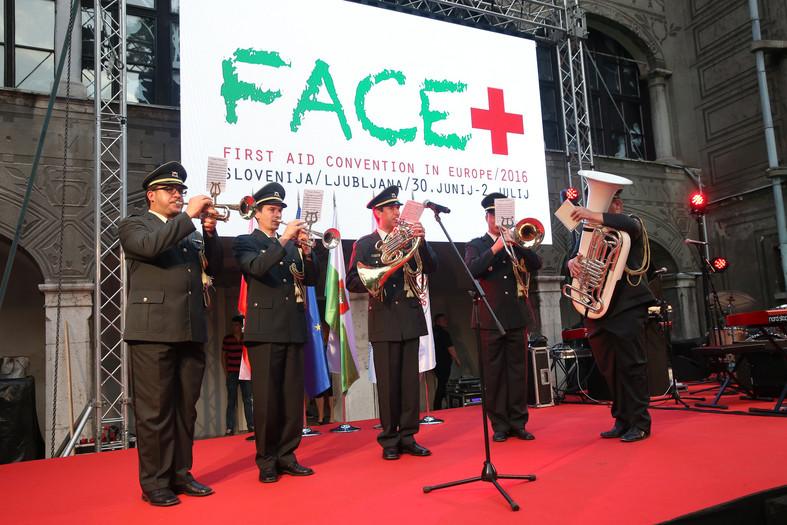
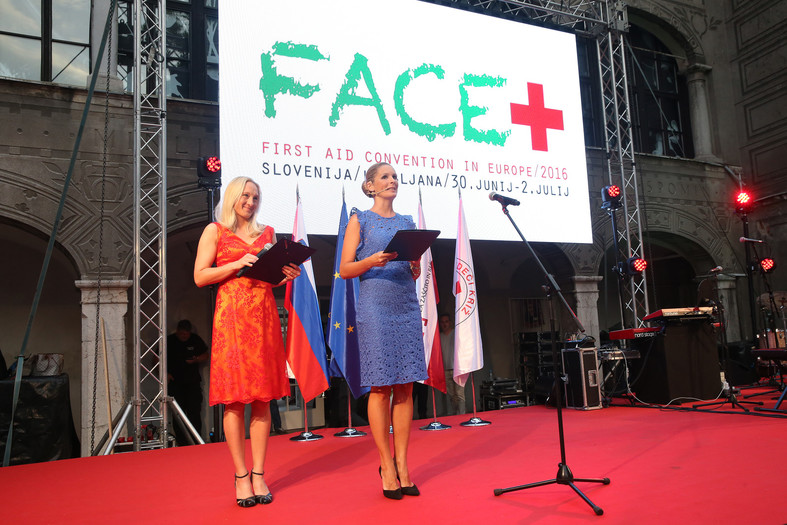

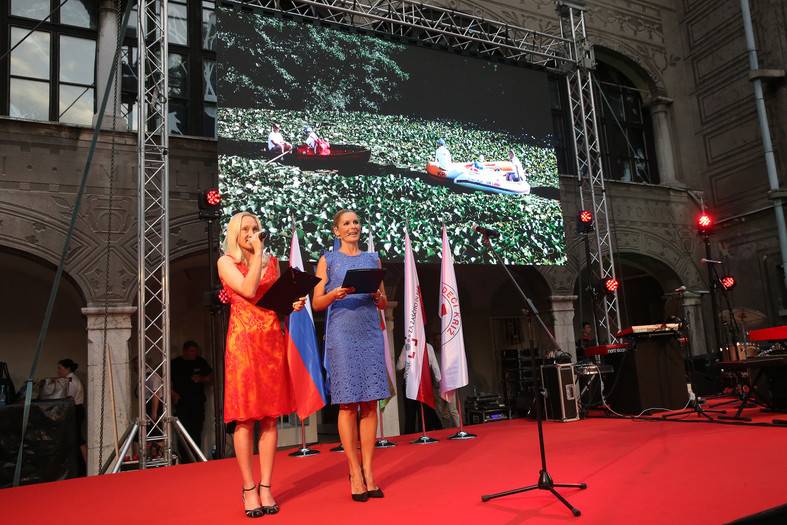

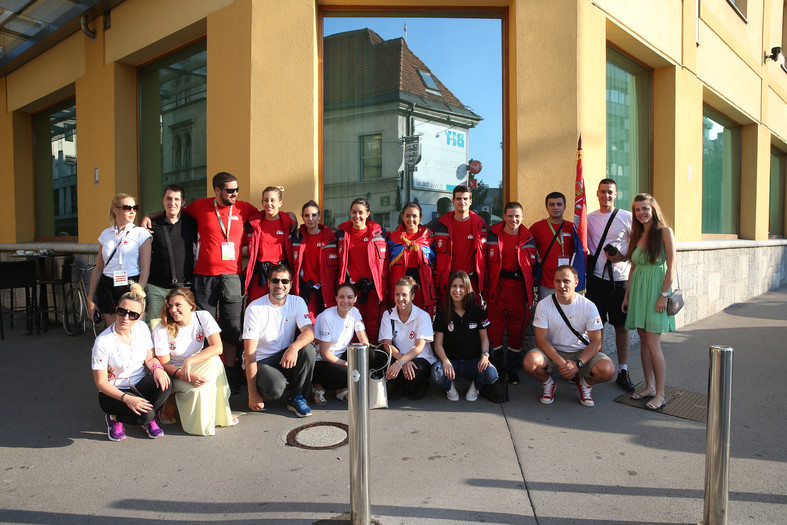


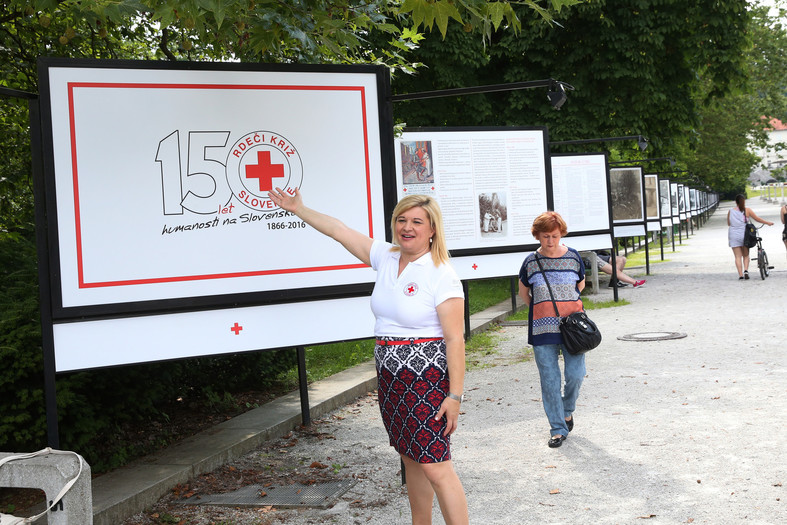
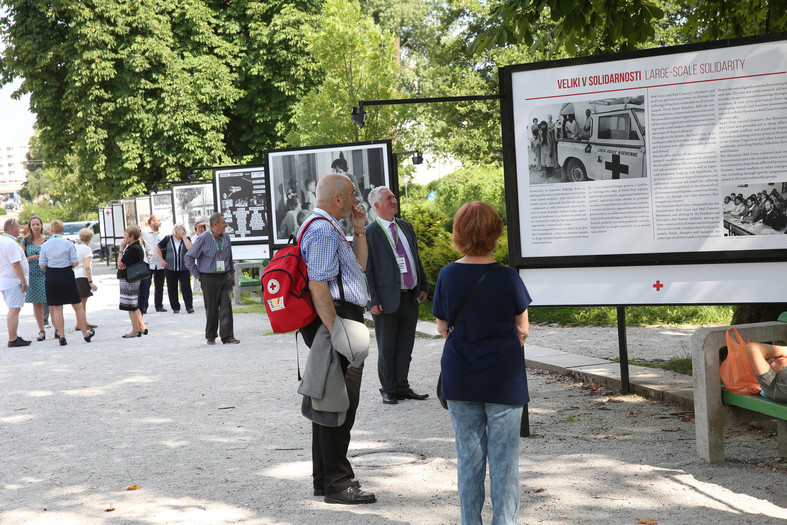
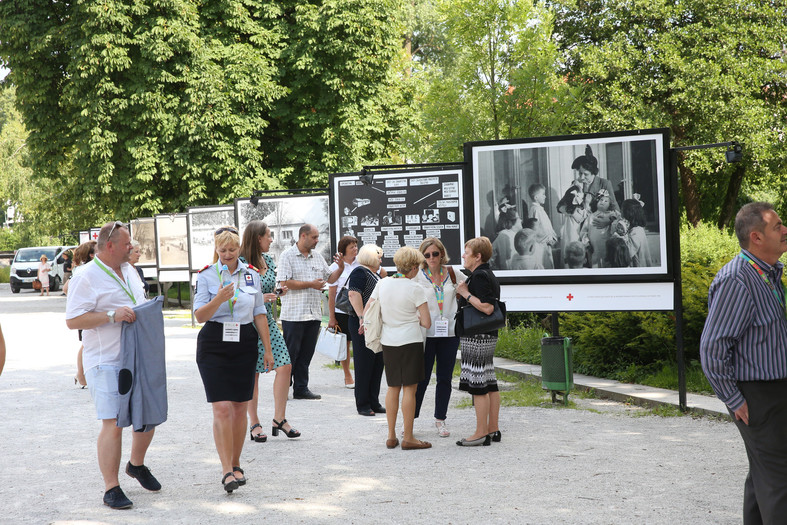
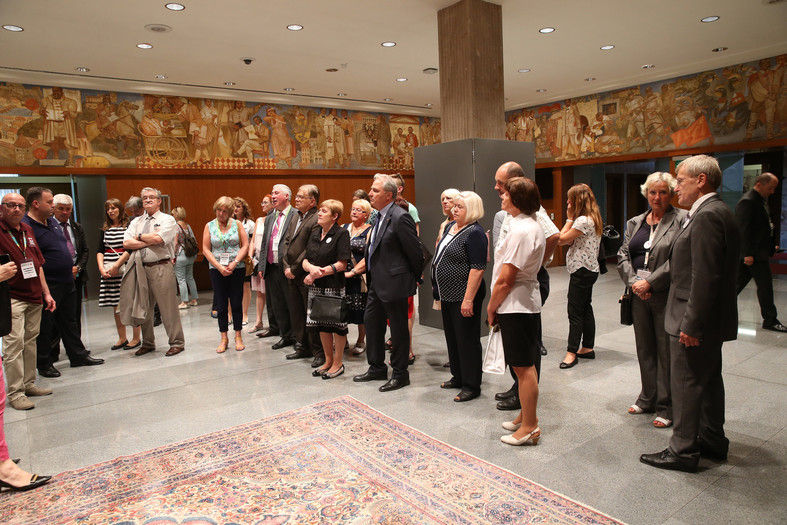
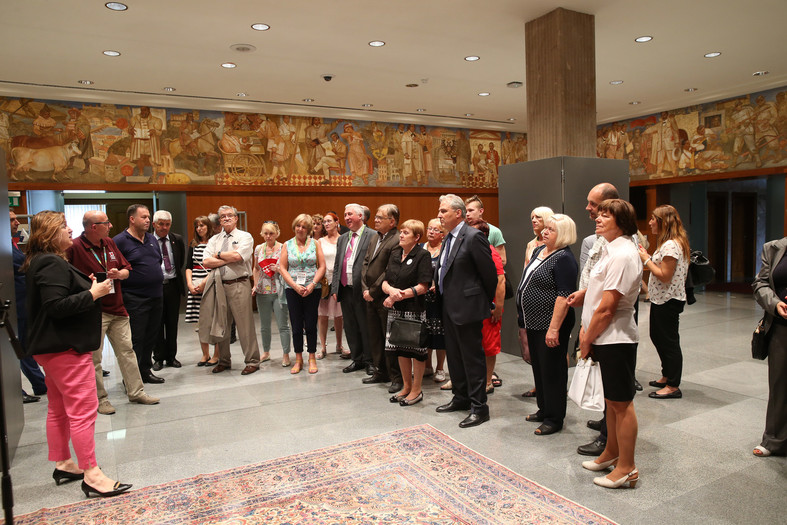

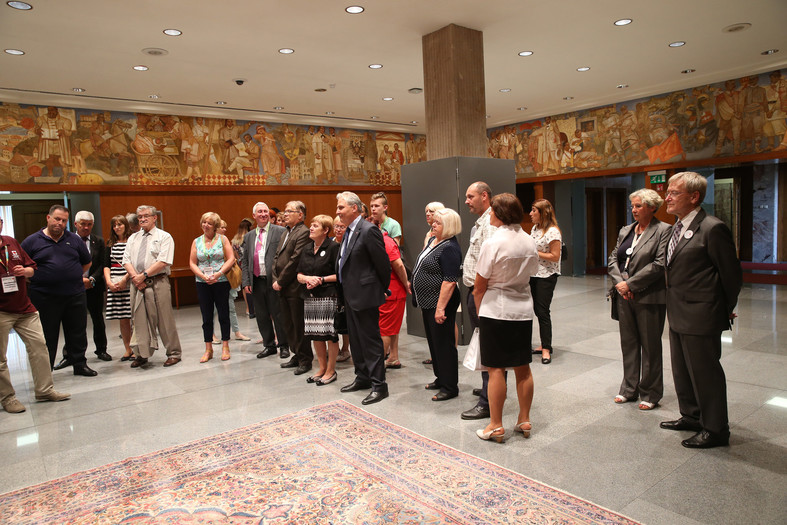

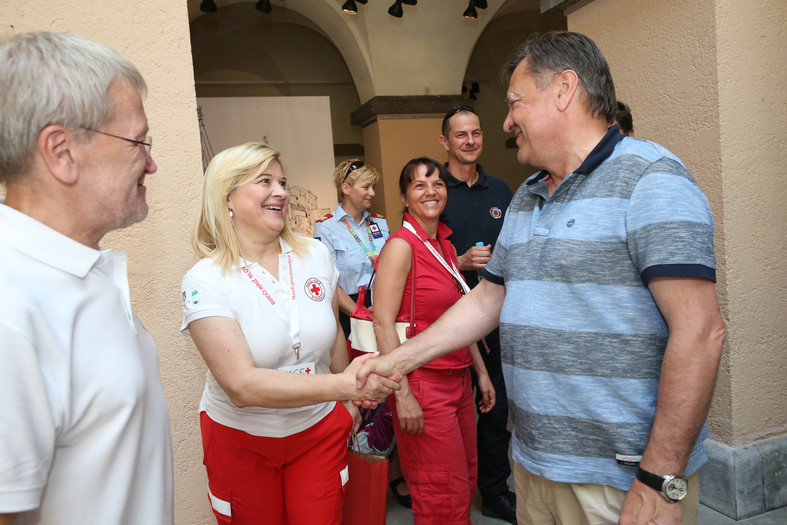
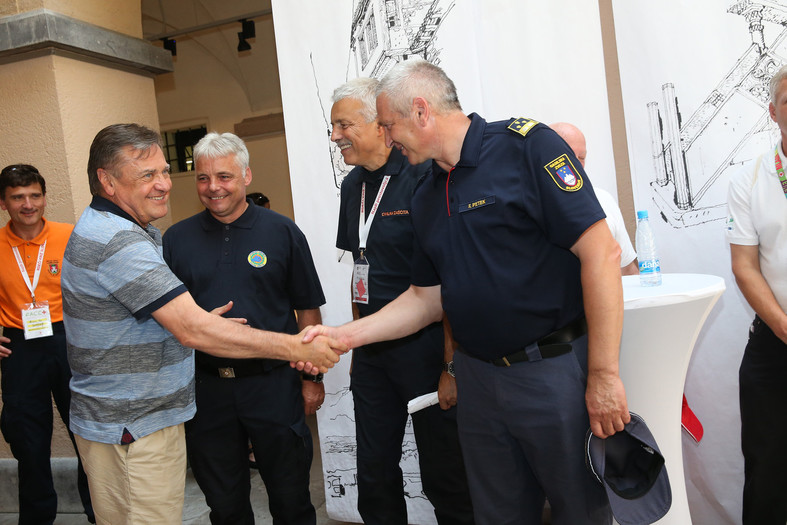
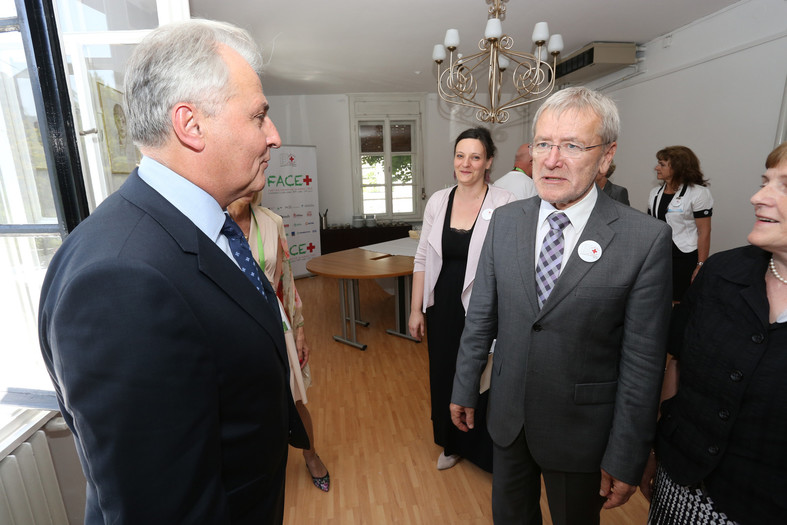
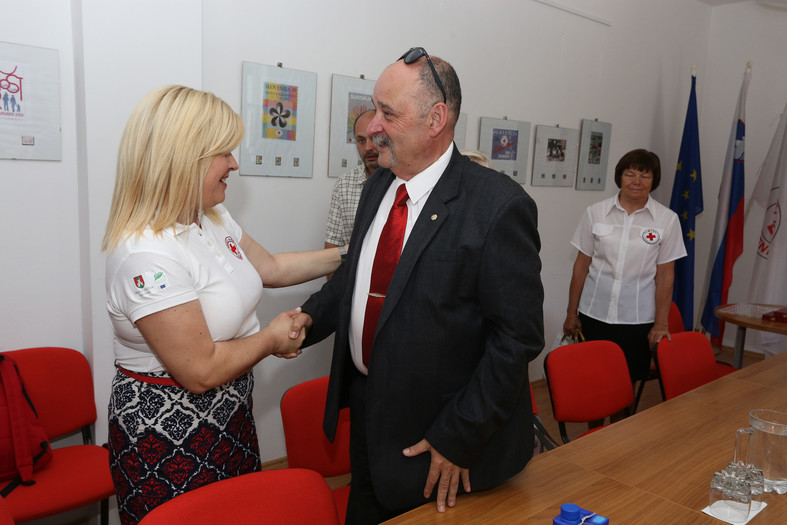
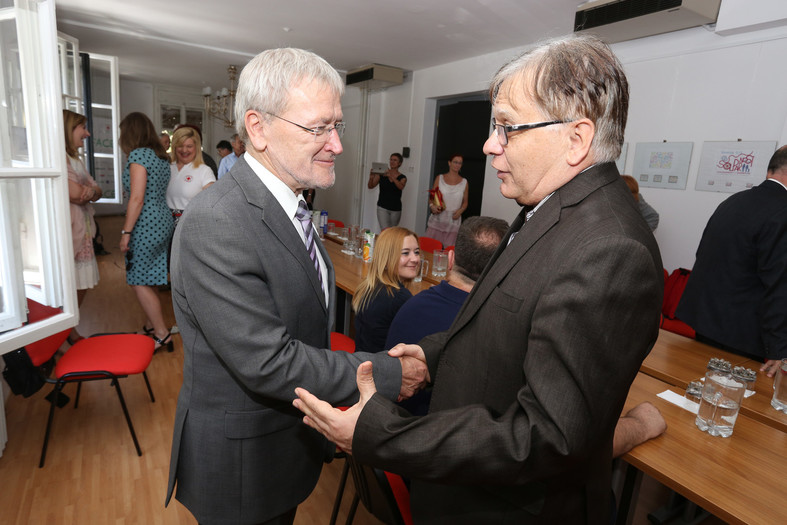
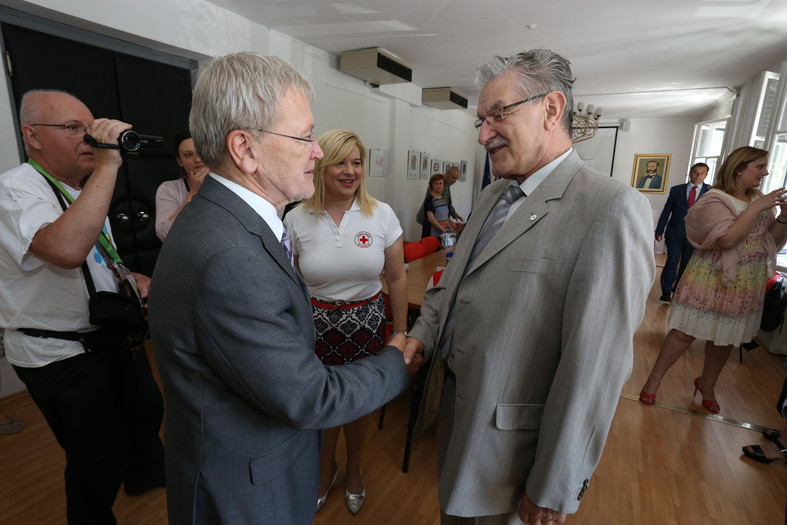

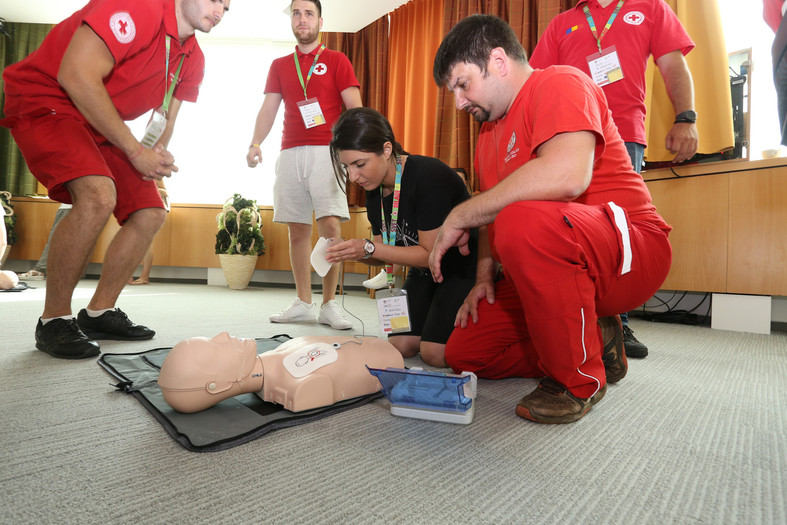

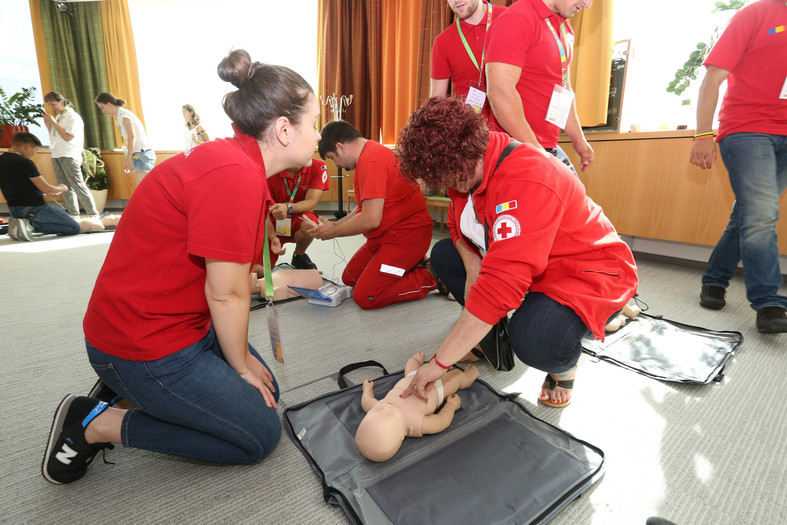
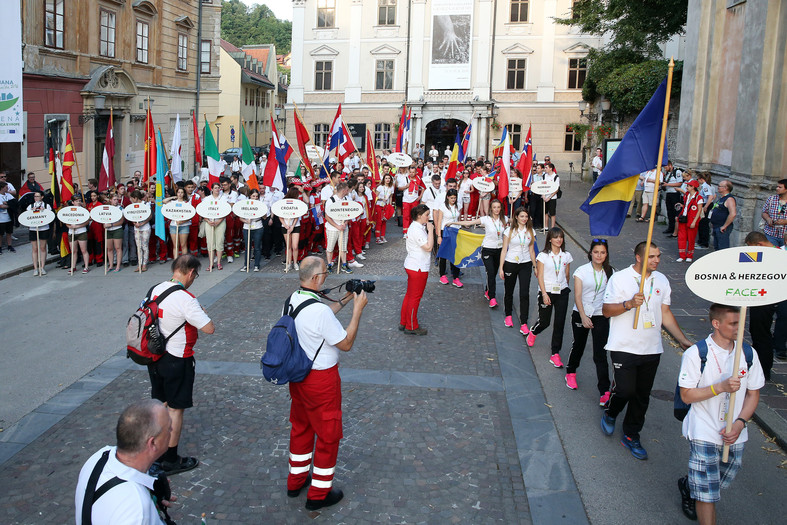

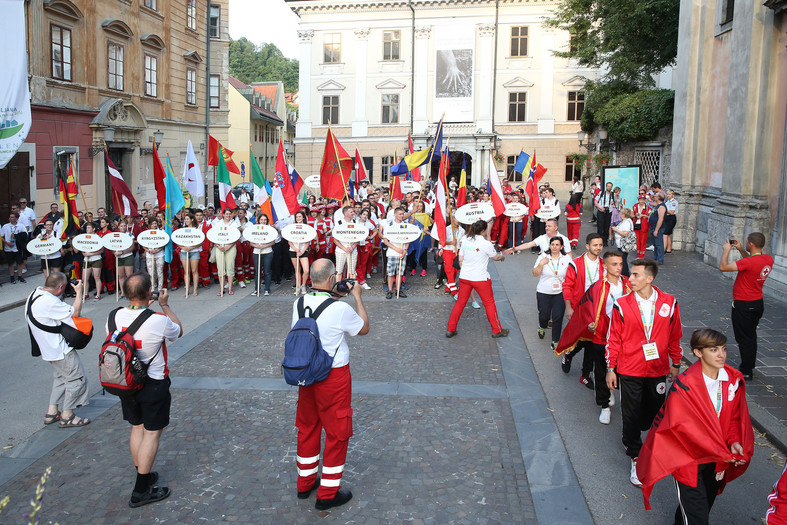

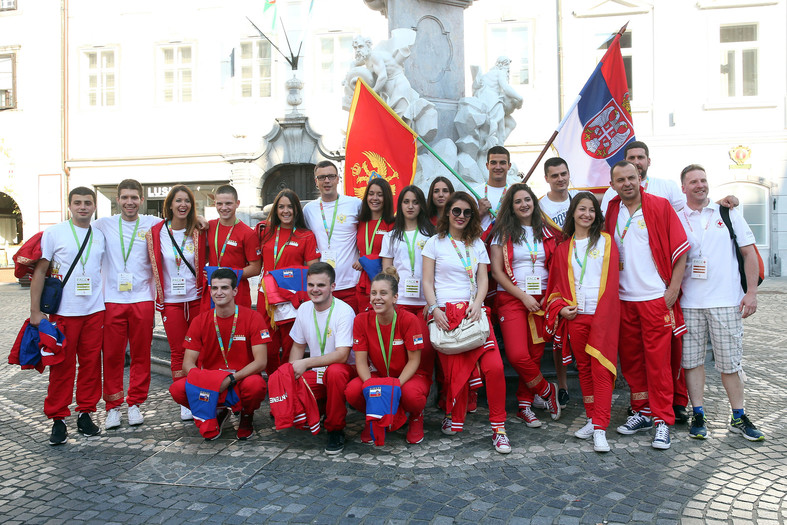
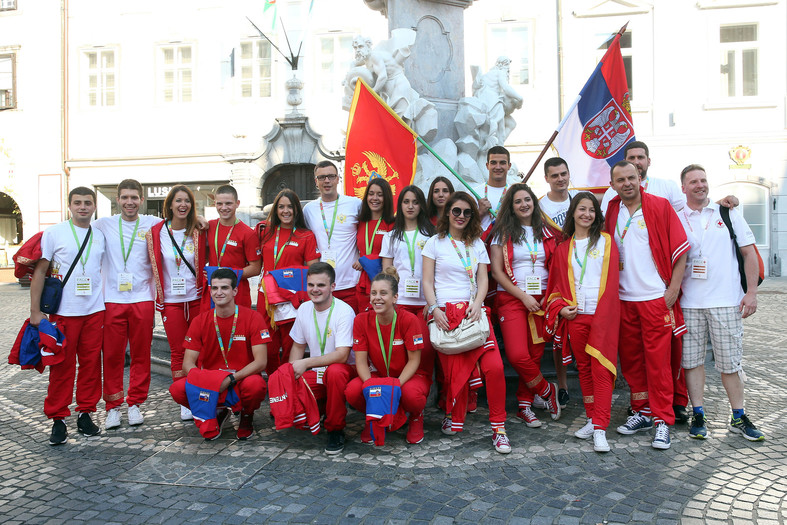

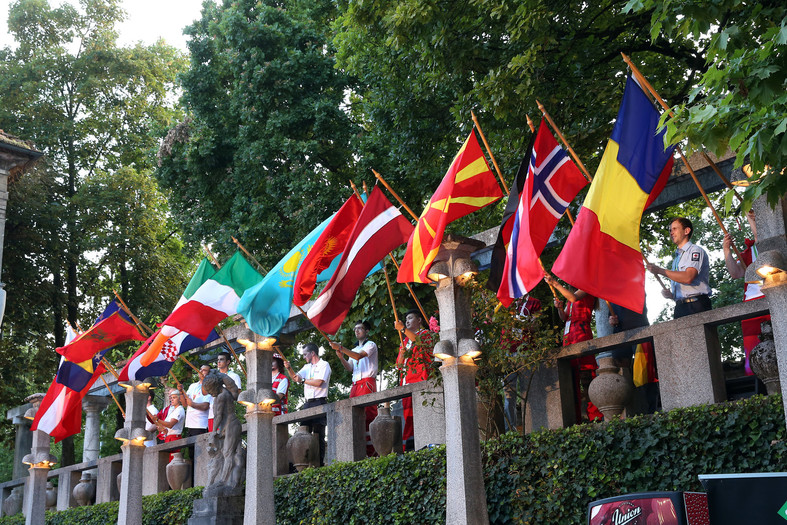
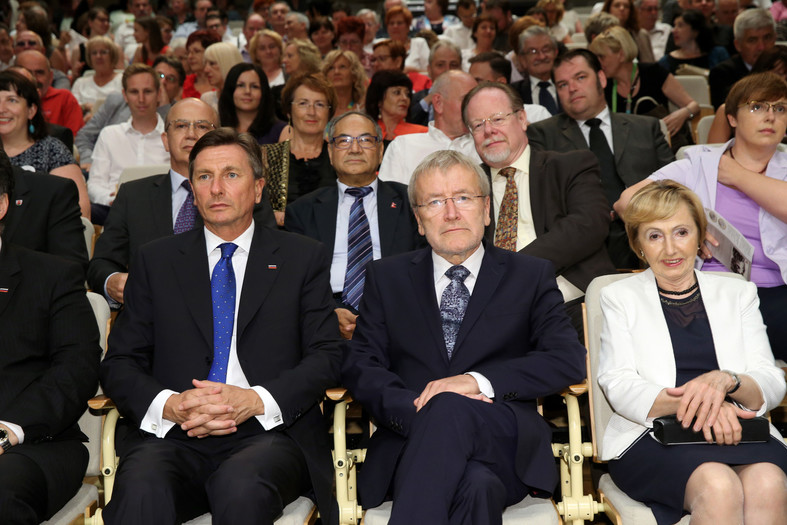

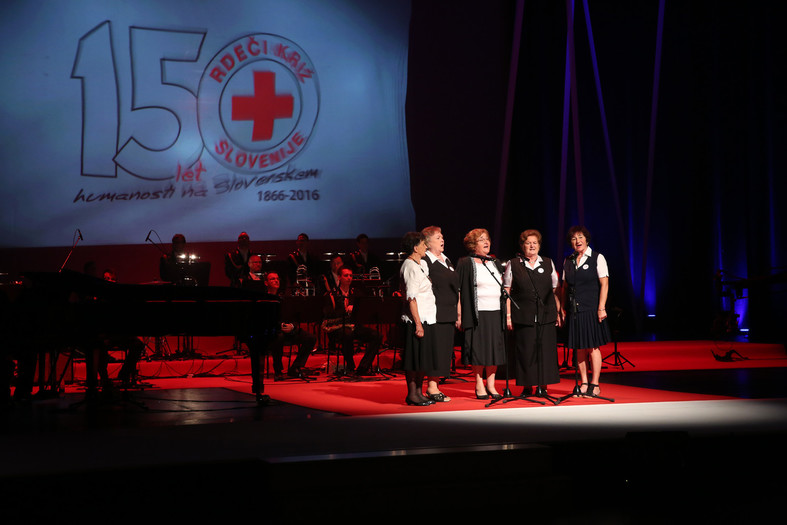
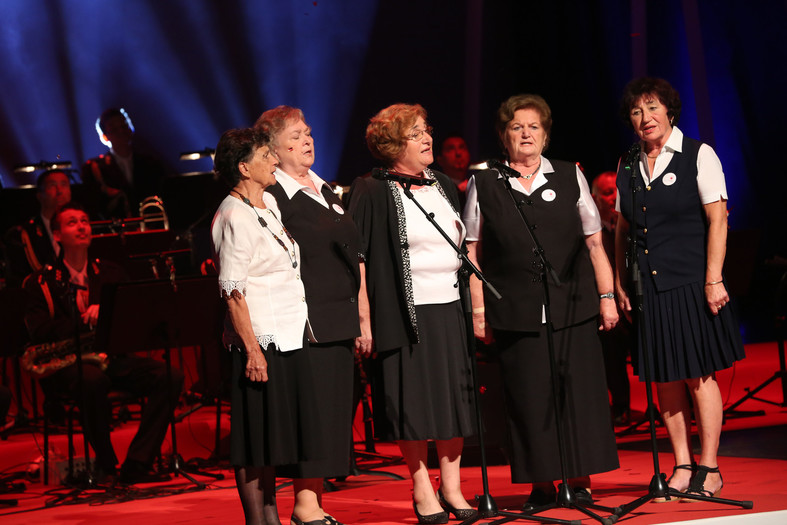
Welcome to the boutique and charming Ljubljana, the proud European Green Capital 2016
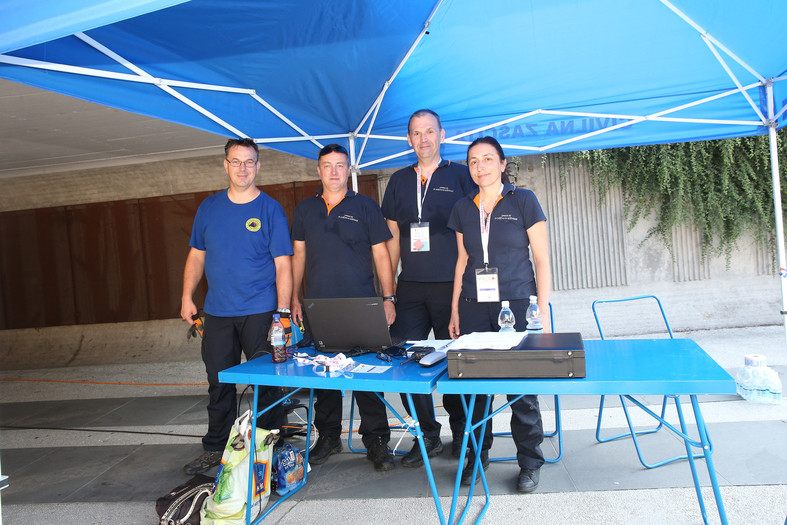
In the past decade, Ljubljana has turned into a lively and exciting city for both visitors and residents. As part of its development vision, the city center was closed for traffic and pedestrian areas were visibly enlarged, transforming the city centre into a spacious and comfortable urban space that functions as a cozy living room. This area is filled with cafes, restaurants and green surfaces where visitors can meet locals and enjoy the vibe of the city. Its best benefit is the petiteness, with just everything within walking distance. The residents love to ride their bikes to the green areas in and around the city, so we encourage the visitors to join us in this new green endeavour. A popular bike-sharing scheme, BicikeLJ, is a handy way to do so. Along the Ljubljanica riverbanks one can also find quieter, even romantic spots, under the shade of weeping willows from where a view unfolds on the passing boats, canoes and trendy stand up paddlers. A city with a high cultural profile and a number of international festivals, Ljubljana also offers over one thousand free open-air events in the city centre every year – so enjoy our vibrant green city!
For more information about the city visit www.ljubljana.si,
an official European Green Capital 2016 website www.greenljubljana.com or a tourist web portal www.visitljubljana.com.
Announcement of the first 3 teams
Team rankings on FACE 2016
|
|
Serbia - Red Cross of Serbia |
1 |
|
|
Ireland - Irish Red Cross Society |
2 |
|
|
Montenegro - Red Cross of Montenegro |
3 |
|
|
Croatia - Croatian Red Cross |
4 |
|
|
Bosnia and Herzegovina - The Red Cross Society of Bosnia and Herzegovina |
5 |
|
|
Italy - Italian Red Cross |
6 |
|
|
Romania - Romanian Red Cross - Team 2 |
7 |
|
|
Romania - Romanian Red Cross - Team 1 |
8 |
|
|
Slovakia - Slovak Red Cross |
9 |
|
|
Albania - Albanian Red Cross |
10 |
|
|
Republic of Macedonia - The Red Cross of Macedonia |
11 |
|
|
Switzerland - Swiss Red Cross |
12 |
|
|
Poland - Polish Red Cross |
13 |
|
|
Kyrgyzstan - Red Cresent Society of Kyrgyzstan |
14 |
|
|
Austria - Austrian Red Cross |
15 |
|
|
Latvia - Latvian Red Cross - Team 1 |
16 |
|
|
Norway - Norwegian Red Cross |
17 |
|
|
Latvia - Latvian Red Cross - Team 2 |
18 |
|
|
Kazakhstan - Kazakh Red Cresent |
19 |
|
|
Germany - German Red Cross |
20 |
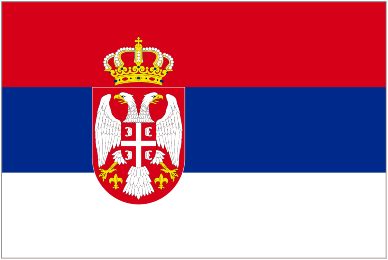

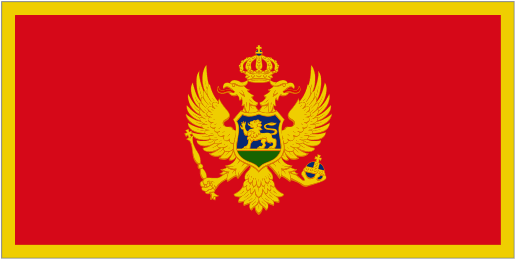
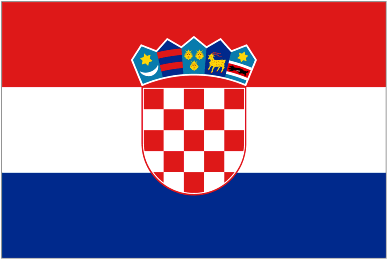
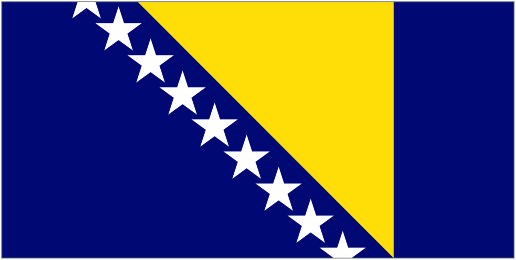



Participants of FACE 2016
|
Albania – Albanian Red Cross |
|
Austria – Austrian Red Cross |
|
Bosnia and Herzegovina – The Red Cross Society of Bosnia and Hercegovina |
|
Croatia – Croatian Red Cross |
|
Germany – German Red Cross |
|
Irish – Irish Red Cross Society |
|
Italy – Italian Red Cross |
|
Kazakhstan – Kazakh Red Crescent |
|
Kyrgyzstan – Red Crescent Society of Kyrgyzstan |
|
Latvia 1 – Latvian Red Cross 1 – Ruta Liepina |
|
|
Latvia 2 – Latvian Red Cross 2 – Eleonora Jeljaševiča |
|
Former Yugoslav Republic of Macedonia – The Red Cross of the former Yugoslav Republic of Macedonia |
|
Montenegro – Red Cross of Montenegro |
|
Norway – Norwegian Red Cross |
|
Poland – Polish Red Cross |
|
Romania 1 – Romanian Red Cross 1 - Dambovita |
|
|
Romania 2 – Romanian Red Cross 2 - Ilfov |
|
Slovakia – Slovak Red Cross |
|
Serbia – The Red Cross of Serbia |
|
Switzerland – Swiss Red Cross |
FACE 2016 Programme
Prenesi datoteke
FACE 2016 RULES
Rules of FACE 2016 Competition
1. Introduction
1.1 The First Aid Competition is part of the First Aid Convention in Europe – a Red Cross /Red
Crescent Festival.
1.2 The First Aid Competition concerns immediate first aid measures.
1.3 The hosting National Society decides on the number of National Societies that may enter. Each
National Society is entitled to enter one team. The hosting National Society does not enter a team in
their own FACE, but may enter two teams in the following FACE. The National Society of the winner
of the previous FACE is not entitled to nominate a team in the actual FACE, but may nominate two
teams in the following FACE.
1.4 All competing teams and official representatives have to cover the costs for travel,
accommodation and meals.
1.5 The hosting National Society tries to find sponsors for cutting the costs for the teams.
1.6 The official language of the competition is English.
2. Composition of the teams
2.1 The team shall consist of six persons (including one leader and one reserve). The reserve and
team members can be interchanged after each test.
2.2 The team leader must be able to communicate in English.
2.3 There are no constraints on the mix of men and women within the team.
2.4 Qualified trainers/instructors, nurses, professional ambulance/rescue personnel, medical doctors
may not take part in the FACE competition.
2.5 Any individual who has been a competitor at the previous FACE is not eligible as a competitor. In
the actual FACE. An individual who is a member of the winning team of a FACE Competition is not
permitted to enter for the next 2 FACE Competitions.
2.6 Team members must be 16 years old at least.
2.7 Every team member has to send a copy of their ID or passport with registration to the hosting
country.
3. Uniform
3.1 All team members must wear the current authorised uniform of their National Society whilst
competing in the competition.
3.2 The uniform should include wet weather clothing as much of the competition will be held
outside.
4. First aid techniques
4.1 The competition is a first aid competition. It is necessary to demonstrate only those skills
required for immediate first aid at the scene.
4.2 The list of first aid equipment that may be used at the competition, will be posted on the FACE
2016 website, at least 3 months prior to the competition.
4.3 There will be a mark sheet form for each casualty and one summary form for the evaluation of
team performance for each station (Fist Aid test).
4.4 First Aid techniques which are tested and evaluated are based on the national guidelines of the
participating National Societies. All participanting teams will be sent a list of injuries one week after
registration closes. They need to fill in their national treatment for each injury. The deadline for
returning the completed list is World Red Cross/Red Crescent Day, May 8th 2016.
4.5 If the National Society does not participate by sending in the completed injury list then their
national team will be evaluated using the marking sheets according to the guidelines of the hosting
National Society. In this case the Slovenian Red Cross Society.
Please note that rule 4.4 and rule 4.5 are new to this FACE and must be carefully studied.
5. The competition
5.1 FACE shall consist of a number of team tests in which five members of the team will participate.
5.2 The team leader is expected to check and control the scene, also in terms of security, and to
command the team. The team members are expected to perform first aid and psychological support.
5.3 There will be at least one test in which all members of a team shall compete on an individual
basis.
5.4 Each team test shall last for 10 minutes.
5.5 The reserve can be interchanged with an active team member after each test. The team leader
nominates the reserve in the waiting station, before knowing the scene. The team leader will
compete in every test.
5.6 Each casualty will have a judge allocated to mark his/her treatment and care.
5.7 For the team tests, a Senior Judge will assess and award marks for leadership and teamwork.
5.8 It is not permitted for any person (with the exception of a FACE official) to have any contact with
members of the team once they have entered into isolation until the completion of the competition.
Otherwise the Jury may disqualify the whole team from the competition.
6. Judges
6.1 Each National Society participating is entitled to nominate one Judge for FACE.
6.2 The hosting National Society will nominate any further judges as required.
6.3 Accommodation and food for the judges will be provided and paid by the hosting National
Society.
6.4 The judges must be qualified first aid trainers or instructors or medical doctors.
6.5 All nominated judges have to attend a briefing session on the day before the competition.
6.6 Briefing for judges shall be held to inform them about the competition and their own particular
station casualties.
6.7 The judges briefing is open only to Judges, members of the organising committee and the
International Organising Committee. Information about test posts, casualties or the mark sheets is
strictly confidential.
6.8 Without exception, all judges must be able to communicate in English.
7. Marking procedure
7.1 Judges will mark each test on a pre-prepared sheet which was adapted to the national guidelines
of the participating teams by the respective National Society.
7.2 Casualties will act appropriately to their condition and the treatment received. Judges will be able
to offer information on the following: pulse, breathing, pupil size and control of bleeding.
7.3 Team members must perform the observation correctly before requesting information from a
judge.
1. Pulse check: the team member checks the pulse on one side of the patient and the
judge instructs him/her to start counting out loud when they feel the pulse. The judge
does the same check on the other side and makes sure that the team member is
counting correctly for at least 10 seconds. If the pulse is correct the judge gives the
simulated pulse (rate, rhythm and strength) of the patient to the team member. During
subsequent checks they repeat the process.
2. Breathing check: the team member checks the breathing rate and informs the judge
what they are doing. The team member counts the breaths out loud. The judge
observes that the rate is correct. The judge gives the simulated breathing rate of the
patient to the team member. During subsequent checks they repeat the process.
7.4 At the end of each test, the senior judge will require a final situation report from the team leader.
This should consist of the condition of each casualty and a summary of treatment received.
7.5 After the completion of each test the senior judge gives brief feedback to the team about their
performance and major mistakes. Maximum time for this is 2 minutes.
8. Protests
8.1 The Jury will make final decisions about all protests made during the competition.
8.2 This Jury is composed of four members. This includes two members of actual hosting National
Society, one member of the previous National Society and one member of the next hosting National
Society of FACE. One of the members must be a medical doctor.
8.3 In the event of any protest, the team leader has to announce the protest to the senior judge
before leaving the station.
8.4 The team leader should enter a protest by completing the protest form received from the senior
judge when announcing the protest. This form should be handed to the senior judge at the next
working station.
8.5 The deadline for receiving any protest is 15 minutes after the completion of the final test.
8.6 The Jury will adjudicate on the protest and a decision will be made as to whether to uphold or to
deny the protest.
8.7 The Jury’s decision is final and irrefutable.
8.8 Any violation against the principles of fairness (for example: breaking the isolation rule, informing
the team about forthcoming test posts, casualties or mark procedures in any way or any other acts
that are not in accordance with the fairness principle) may lead to a disqualification (or other
measures) of the respective team.
8.9 Decisions about incidents described in 8.8. are made by the Jury together with the IOC
permanent members. Decisions are final and irrefutable.
9. Others who may accompany the team
9.1 It is permitted for one other person to accompany the team for the purposes of taking
photographs.
9.2 It is permitted for one interpreter to also accompany the team.
9.3 Each participating National Society is entitled to send one official representative.
9.4 Persons accompanying a team must, at all times, observe the restrictions placed upon the team
by their isolation during the competition. They will not be allowed to communicate with the
spectators and supporters whilst accompanying the team and must stay with the team at all times.
While the team is competing within a set, the photographer accompanying the team must in no way
communicate with any team member.
9.5 All persons accompanying the team (like photographers and interpreters) have to pay for travel,
accommodation and meals.
10. Spectators and supporters
10.1 Spectators and supporters have to pay for travel, accommodation and meals.
10.2 Spectators and supporters may move freely throughout the whole of the competition site.
10.3 Spectators and supporters may not enter within any test site or waiting station.
10.4 Spectators and supporters are not allowed to communicate with the
teams/photographer/interpreter during the competition.
11. International Organising Committee
11.1 The International Organising Committee (IOC) is composed of four permanent and three
temporary members.
11.2 The four permanent members are members of the Irish, German and Swiss Red Cross Societies
and one representative of the European Working Group of First Aid Education. One of the permanent
members must be a medical doctor.
11.3 The three temporary members are members of the hosting National Societies of the previous,
actual and the next FACE.
11.4 The permanent members of the IOC are in charge of the First Aid Conventions in Europe (FACE)
for five years. Subsequently they may be replaced by members of other European Red Cross / Red
Crescent Societies by the vote of the European Red Cross / Red Crescent Societies. The current
period ends after FACE 2019.
11.5 Every European Red Cross / Red Crescent Society applying for permanent membership in the
IOC commits itself to host one FACE during the next period if no other National Society is
volunteering to host FACE.
11.6 The costs involved for the members (meetings, travel costs, etc.) are covered by the respective
National Societies.
11.7 The IOC has to be in continuous contact with the organisation committee of the hosting
National Society.
11.8 The IOC is in charge of looking for new hosts of the competition and of choosing among the
applying National Societies.
11.9 The IOC has to draw up guidelines for the procedure of the competition and for the judgment of
the teams.
11.10 The IOC selects the themes of the competition in accordance with the hosting National Society.
11.11 The IOC meets three times a year, i.e. before, during and after the competition.
11.12 The IOC draws up rules and regulations for the competition.
11.13 The IOC draws up a list of equipment the use of which is permitted or forbidden.
11.14 The hosting National Society has to give a report to the IOC, including the costs charged to the
participating teams for accommodation and meals.
12. Permanent Secretariat
12.1 The International Organising Committee makes use of an elected Permanent Secretariat.
12.2 The National Society providing the permanent secretariat is automatically chair of the
permanent members of the International Organising Committee.
12.3 The costs involved for the Permanent Secretariat (meetings, travel costs, etc.) are covered by
the National Society providing the Permanent Secretariat.
12.4 For 2015 - 2019 this Secretariat is provided by the Irish Red Cross:
Permanent Secretariat of FACE
................................................
e-mail: FaceChair@redcross.ie
12.5 This Secretariat is the link between the European Red Cross / Red Crescent Societies and the
International Organising Committee.
Prenesi datoteke
Equipment List
Prenesi datoteke
- Equipment List PDF 76kb
Report sheet template
Prenesi datoteke
Technical Basis for FACE 2016
The Slovenian Red Cross (SRC) has a long tradition in laic first aid courses and training. As part of marking 150th anniversary of Red Cross humanitarian action on Slovenian soil this year, it also host the FACE – First Aid Convention of Europe.
Slovenia has been very well represented at FA Conventions of Europe for many years now, in the recent year’s even reaching for high rankings. The peak was reached last year with the win by SRC Local Branch Grosuplje, who were the first to gain the title of European Champions in First Aid for Slovenia and Slovenian Red Cross.
The Slovenian Red Cross First Aid Reference Centre (SRC FA RC), consisting of 12 permanent members, is an independent, national body. All, except one SRC FA RC members are experts of medical and health sciences. Mandate of SRC FA Reference Center is to draft and implement doctrinal principles of lay First Aid in Slovenia. Members of Slovenian RC First Aid Reference center carefully follow changes in resuscitation guidelines and provisions of First Aid on European and global level and appropriately introduce them into training curricula’s, carried out by licensed Red Cross First Aid lecturers throughout the society’s widespread network of Local Branches. Moreover SRC FA RC carries out regular education and training for licensed lecturers, both for acquiring, as well as renewing the licence and timely informs them about the new doctrinal developments. One of the important tasks of the FA Refrence Center is also organisation the national First Aid Competitions, the winner of which then represents Slovenia at the FACE.
The Slovenian Red Cross First Aid Reference Centre in its revamped and rejuvenated composition began drafting this year’s FACE programme in December 2015 with aim to present First Aid, as well as other activities of Slovenian Red Cross to the wider public. We intended to organise an attractive event, that will be remembered for years to come. Moreover, we want to emphasize that providing lay First Aid is the aim of all of our efforts regarding First Aid training programmes – be it the obligatory 10-hour First Aid course for all learner drivers or the substantially more extensive 70-hour course, which is obligatory for all First Aid team members.
Thus Friday, 1st July 2016, is intended for the professional part of the Convention, while FACE 2016 competition will take place on Saturday, 2nd July 2016.
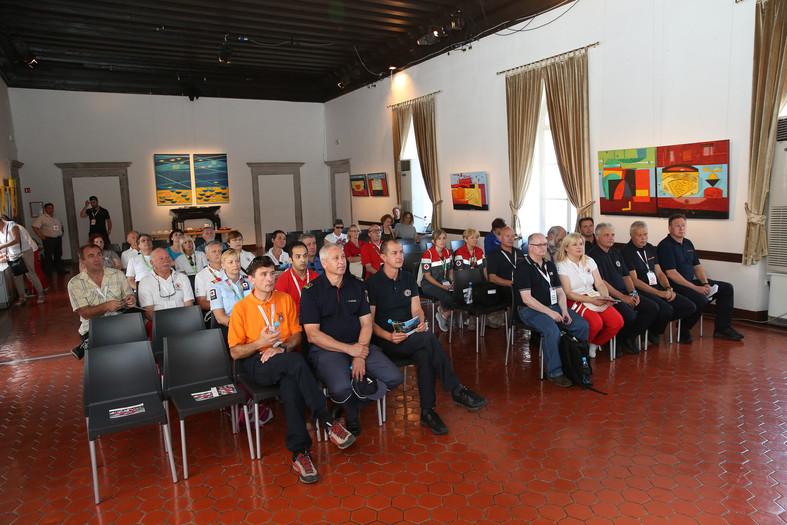
The expert part of the Convention consists of three parts: workshops for the FACE 2016 teams, an expert symposium and a meeting for the judges. Four workshops for all competing teams will take place in the morning: two will address basic resuscitation procedures, one will be a SIEVE triage workshop and the last one will deal with the proper way to remove a motorcycle helmet. The aim of the workshops is to acquaint the competing teams with the First Aid specifics in Slovenia, as they will have to use the acquired knowledge at their stations the following day. The SIEVE triage is characteristic for our area, but it is not used in some other European countries, which use other triage systems. One of the more demanding skills in First Aid is removing the motorcycle helmet, which, even though rarely required, must be carried out flawlessly when needed. The teams will therefore have an opportunity to practice this procedure in a safe environment. New resuscitation guidelines were published in the autumn of 2015. While no major changes were made to the document, the resuscitation procedures remain a key area in providing First Aid. The teams will therefore use the two workshops to review basic resuscitation procedures for an adult, a child and a baby and at the same time get acquainted with CPR manikins they will use at the competition. The workshops will be led by the following SRC FA Reference Center members with vast training experiences; namely: Primož Velikonja, RN, Andreja Prek, RN, Dorijan Zabukovšek, MA in nursing, Milena Senica Verbič, MD, and Zlatko Kvržić, BA in healthcare, Vice president of the SRC FA RC.
The expert symposium, which will take place in the morning, is intended for the wider expert and political audience. At the symposium, Ljubljana Faculty of Medicine with Professor dr. Radko Komadina, MD, will present the European guidelines regarding massive traumatic bleeding in a lecture entitled “European guideline for massive traumatic bleeding – updated edition 2016”. Teaching fellow Simon Herman, MD, MA, also SRC FA RC member will stress the importance of quick and proper treatment by eyewitnesses and those who arrive at the scene of the accident first in his lecture entitled “Time’s on nobody’s side”. I will meanwhile present the importance of teaching First Aid and reviewing the acquired knowledge in compulsory and elective programmes in my lecture entitled "Education in First Aid”. The afternoon has been earmarked for a meeting off all e judges and the International Organizing Committee (IOC).
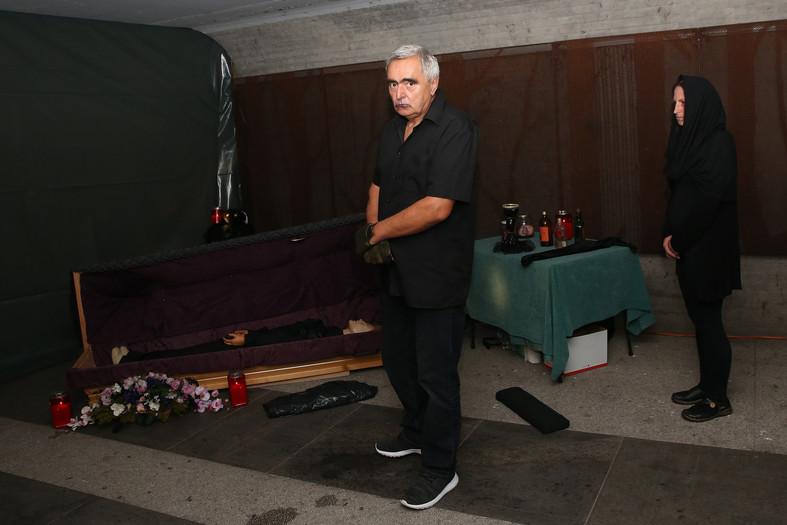
The competition, which will take place on the following day, will engage 59 judges alongside those feigning injuries, extras, makeup artists and technical support personnel. Apart from Slovenian judges, who are all licensed First Aid lecturers at the Slovenian Red Cross, the competition will include 20 foreign judges, also First Aid lecturers. The teams will test their First Aid skills, as well as resourcefulness, at 10 workstations. The SRC FA Reference centre has drafted 10 scenarios that differ in situations, as well as in professional requirements. Solving these situations will take place during most of the Saturday and will challenge the competing teams as well as entertain the spectators. By moving in a circular fashion from one site to another, including workstations, entertainment stops and resting places, the competing teams will prove their knowledge in prepared situations as well as get to know Ljubljana and Slovenia's tourist attractions. The workstations will include trained injury imitators, who will, together with the extras and in cooperation with various services (fire-fighters, police officers, civil protection officials), conjure a realistic situation where a group of non-medical personnel with First Aid knowledge can help and even save lives. The spectators will thus get an insight into the work of First Aid teams and their position within the rescue system. For the purpose of the competition, the SRC FA RC thoroughly revamped and updated the assessment sheets. During the preparations leading to the FACE 2016, these sheets also impressed the IOC. The judges will use the sheets to assess the work of the team leader and the members of competing teams. They will be greatly aided by the weighed items in the assessment sheets, which make sure that more important steps are worth more points. The assessment sheets have also been tailored to the specifics of the scenario, meaning that groups will get additional points for being resourceful. Should a team member commit an error that could jeopardise the health of the injured individual, the team will also be eligible for negative points. The system was designed in order to make the teams work towards the best level of care with the aim of increasing the quality of knowledge as well as rewarding the best teams for resourcefulness in order to find the team that is the very best. Apart from drafting the scenarios and the assessment sheets and preparing the workstations, all those taking part also played a vital role in preparing for the competition. In order to make the situations as realistic as possible, all those involved at individual workstations tested the scenario and thus made sure that both the technology and the contents worked as intended. The referees meanwhile got acquainted with using the new assessment sheets at two seminars.
Drafting all these technical basis for FACE 2016 presented a major challenge, especially from organisational point of view. All SRC FA Reference Center members carried out the above mentioned activities in their free time. FACE 2016 is undoubtedly a challenge, but one we certainly do not regret accepting. I would like to thank all SRC FA Reference Center members for their professional work and all the efforts and sleepless nights that they put into this project. I believe that we have together organised a FACE that none of the participants will soon forget.
I am looking forward to meeting all of you, who will come to observe this event in our picturesque capital. I am confident that demonstrated work by the teams will inspire you enough to decide to become First Aid team members yourselves and…help saving lives.
The Slovenian Red Cross (SRC) has a long tradition in laic first aid courses and training. As part of marking 150th anniversary of Red Cross humanitarian action on Slovenian soil this year, it also host the FACE – First Aid Convention of Europe.
Slovenia has been very well represented at FA Conventions of Europe for many years now, in the recent year’s even reaching for high rankings. The peak was reached last year with the win by SRC Local Branch Grosuplje, who were the first to gain the title of European Champions in First Aid for Slovenia and Slovenian Red Cross.
The Slovenian Red Cross First Aid Reference Centre (SRC FA RC), consisting of 12 permanent members, is an independent, national body. All, except one SRC FA RC members are experts of medical and health sciences. Mandate of SRC FA Reference Center is to draft and implement doctrinal principles of lay First Aid in Slovenia. Members of Slovenian RC First Aid Reference center carefully follow changes in resuscitation guidelines and provisions of First Aid on European and global level and appropriately introduce them into training curricula’s, carried out by licensed Red Cross First Aid lecturers throughout the society’s widespread network of Local Branches. Moreover SRC FA RC carries out regular education and training for licensed lecturers, both for acquiring, as well as renewing the licence and timely informs them about the new doctrinal developments. One of the important tasks of the FA Refrence Center is also organisation the national First Aid Competitions, the winner of which then represents Slovenia at the FACE.
The Slovenian Red Cross First Aid Reference Centre in its revamped and rejuvenated composition began drafting this year’s FACE programme in December 2015 with aim to present First Aid, as well as other activities of Slovenian Red Cross to the wider public. We intended to organise an attractive event, that will be remembered for years to come. Moreover, we want to emphasize that providing lay First Aid is the aim of all of our efforts regarding First Aid training programmes – be it the obligatory 10-hour First Aid course for all learner drivers or the substantially more extensive 70-hour course, which is obligatory for all First Aid team members.
Thus Friday, 1st July 2016, is intended for the professional part of the Convention, while FACE 2016 competition will take place on Saturday, 2nd July 2016.
The expert part of the Convention consists of three parts: workshops for the FACE 2016 teams, an expert symposium and a meeting for the judges. Four workshops for all competing teams will take place in the morning: two will address basic resuscitation procedures, one will be a SIEVE triage workshop and the last one will deal with the proper way to remove a motorcycle helmet. The aim of the workshops is to acquaint the competing teams with the First Aid specifics in Slovenia, as they will have to use the acquired knowledge at their stations the following day. The SIEVE triage is characteristic for our area, but it is not used in some other European countries, which use other triage systems. One of the more demanding skills in First Aid is removing the motorcycle helmet, which, even though rarely required, must be carried out flawlessly when needed. The teams will therefore have an opportunity to practice this procedure in a safe environment. New resuscitation guidelines were published in the autumn of 2015. While no major changes were made to the document, the resuscitation procedures remain a key area in providing First Aid. The teams will therefore use the two workshops to review basic resuscitation procedures for an adult, a child and a baby and at the same time get acquainted with CPR manikins they will use at the competition. The workshops will be led by the following SRC FA Reference Center members with vast training experiences; namely: Primož Velikonja, RN, Andreja Prek, RN, Dorijan Zabukovšek, MA in nursing, Milena Senica Verbič, MD, and Zlatko Kvržić, BA in healthcare, Vice president of the SRC FA RC.
The expert symposium, which will take place in the morning, is intended for the wider expert and political audience. At the symposium, Ljubljana Faculty of Medicine with Professor dr. Radko Komadina, MD, will present the European guidelines regarding massive traumatic bleeding in a lecture entitled “European guideline for massive traumatic bleeding – updated edition 2016”. Teaching fellow Simon Herman, MD, MA, also SRC FA RC member will stress the importance of quick and proper treatment by eyewitnesses and those who arrive at the scene of the accident first in his lecture entitled “Time’s on nobody’s side”. I will meanwhile present the importance of teaching First Aid and reviewing the acquired knowledge in compulsory and elective programmes in my lecture entitled "Education in First Aid”. The afternoon has been earmarked for a meeting off all e judges and the International Organizing Committee (IOC).
The competition, which will take place on the following day, will engage 59 judges alongside those feigning injuries, extras, makeup artists and technical support personnel. Apart from Slovenian judges, who are all licensed First Aid lecturers at the Slovenian Red Cross, the competition will include 20 foreign judges, also First Aid lecturers. The teams will test their First Aid skills, as well as resourcefulness, at 10 workstations. The SRC FA Reference centre has drafted 10 scenarios that differ in situations, as well as in professional requirements. Solving these situations will take place during most of the Saturday and will challenge the competing teams as well as entertain the spectators. By moving in a circular fashion from one site to another, including workstations, entertainment stops and resting places, the competing teams will prove their knowledge in prepared situations as well as get to know Ljubljana and Slovenia's tourist attractions. The workstations will include trained injury imitators, who will, together with the extras and in cooperation with various services (fire-fighters, police officers, civil protection officials), conjure a realistic situation where a group of non-medical personnel with First Aid knowledge can help and even save lives. The spectators will thus get an insight into the work of First Aid teams and their position within the rescue system. For the purpose of the competition, the SRC FA RC thoroughly revamped and updated the assessment sheets. During the preparations leading to the FACE 2016, these sheets also impressed the IOC. The judges will use the sheets to assess the work of the team leader and the members of competing teams. They will be greatly aided by the weighed items in the assessment sheets, which make sure that more important steps are worth more points. The assessment sheets have also been tailored to the specifics of the scenario, meaning that groups will get additional points for being resourceful. Should a team member commit an error that could jeopardise the health of the injured individual, the team will also be eligible for negative points. The system was designed in order to make the teams work towards the best level of care with the aim of increasing the quality of knowledge as well as rewarding the best teams for resourcefulness in order to find the team that is the very best. Apart from drafting the scenarios and the assessment sheets and preparing the workstations, all those taking part also played a vital role in preparing for the competition. In order to make the situations as realistic as possible, all those involved at individual workstations tested the scenario and thus made sure that both the technology and the contents worked as intended. The referees meanwhile got acquainted with using the new assessment sheets at two seminars.
Drafting all these technical basis for FACE 2016 presented a major challenge, especially from organisational point of view. All SRC FA Reference Center members carried out the above mentioned activities in their free time. FACE 2016 is undoubtedly a challenge, but one we certainly do not regret accepting. I would like to thank all SRC FA Reference Center members for their professional work and all the efforts and sleepless nights that they put into this project. I believe that we have together organised a FACE that none of the participants will soon forget.
I am looking forward to meeting all of you, who will come to observe this event in our picturesque capital. I am confident that demonstrated work by the teams will inspire you enough to decide to become First Aid team members yourselves and…help saving lives.
Brigita Jazbar, MD, President of the Slovenian Red Cross First Aid Reference Center
Translation by: Matjaž Horvat
List of winners
|
Year
|
Host |
Winner |
|
2015 |
Romania |
Slovenia (video) |
|
2014 |
/ |
/ |
|
2013 |
Austria |
Bulgaria |
|
2012 |
Ireland |
Italy |
|
2011 |
Italy |
Serbia |
|
2010 |
Serbia |
Great Britain |
|
2009 |
Germany |
Serbia |
|
2008 |
Great Britain |
Serbia |
|
2007 |
Ireland |
Serbia |
|
2006 |
Italy |
Serbia |
|
2005 |
Slovakia |
Austria |
|
2004 |
Austria |
Armenia |
|
2003 |
Czech Republic |
Switzerland |
|
2002 |
Belgium |
Ireland |
|
2001 |
/ |
/ |
|
2000 |
Switzerland |
Ireland |
|
1999 |
Austria |
Austria |
|
1998 |
Italy |
Italy |
|
1997 |
France |
Great Britain |
|
1996 |
Hungary |
Ireland |
|
1995 |
Norway |
Ireland |
|
1994 |
Great Britain |
Great Britain |
|
1993 |
Austria |
Great Britain |
|
1992 |
Sweden |
Austria |
|
1991 |
Switzerland |
Great Britain |
|
1990 |
Germany |
Germany |
|
1989 |
Netherlands |
Austria |
|
1988 |
Finland |
Finland |
|
1987 |
Germany |
Netherlands |
Slovenian teams on FACE
First FACE took place in 1987, Slovenia has benn part of FACE since 1994, in sicer:
2015, Romunija, Bukarešta, Ekipa PP RKS-OZ Grosuplje (1. place)
2014, NI BILO ORGANIZIRANO
2013, Avstrija, Wels, Ekipa PP RKS-OZ Nova Gorica (3. place)
2012, Irska, Ekipa PP PGD Materija (9. place)
2011, Italija, Jesolo, Ekipa PP MO Ptuj (6. place)
2010, Srbija, Beograd, Ekipa PP NEK (2. place)
2009, Nemčija, Oldenburg, Ekipa PP OZRK Ljubljana (6. place)
2008, Anglija, Liverpool, Ekipa PP CZ MO Ptuj (16. place)
2007, Irska, Limerick, Ekipa PP CZ Mislinja (11. place)
2006, Italija, Assisi, Ekipa PP MO Ljubljana (12. place)
2005, Slovaška, Svibnik, Ekipa PP Občine Slovenska Bistrica – Sp. Polskava (20. place)
2004, Avstrija, Ekipa PP MO Ptuj (7 place)
2003, Češka, Ekipa PP MO Ptuj (18. place)
2002, Belgija, Gent, Ekipa PP MO Ljubljana (17. place)
2001, NI BILO ORGANIZIRANO
2000, SLOVENIJA NI SODELOVALA
1999, SLOVENIJA NI SODELOVALA
1998, Italija, Jesolo, Ekipa PP Kamnik (23. place)
1997, Francija, Lill, Ekipa PP Zreče (21. place)
1996, Madžarska, Egen, Ekipa PP Kamnik (11. place)
1995, Norveška, Trondheim, Ekipa PP Ilirska Bistrica (21. place)
1994, Velika Britanija, Canterbery, Ekipa PP STAC RKS Maribor (24. place)
PACKAGES & PERSONAL REGISTRATION FORM FOR SUPPORTERS
Prenesi datoteke
PACKAGES & PERSONAL REGISTRATION FORM FOR SUPPORTERS No. 2
Prenesi datoteke
Contact
Mirjana Jarc
Mail: mirjana.jarc@rks.si
Telephone: +386 1 2414 300
Fax: +386 1 2414 344